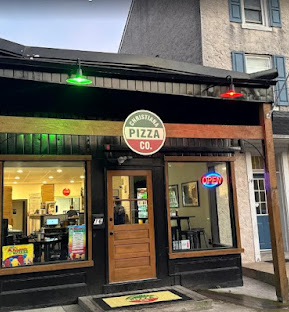
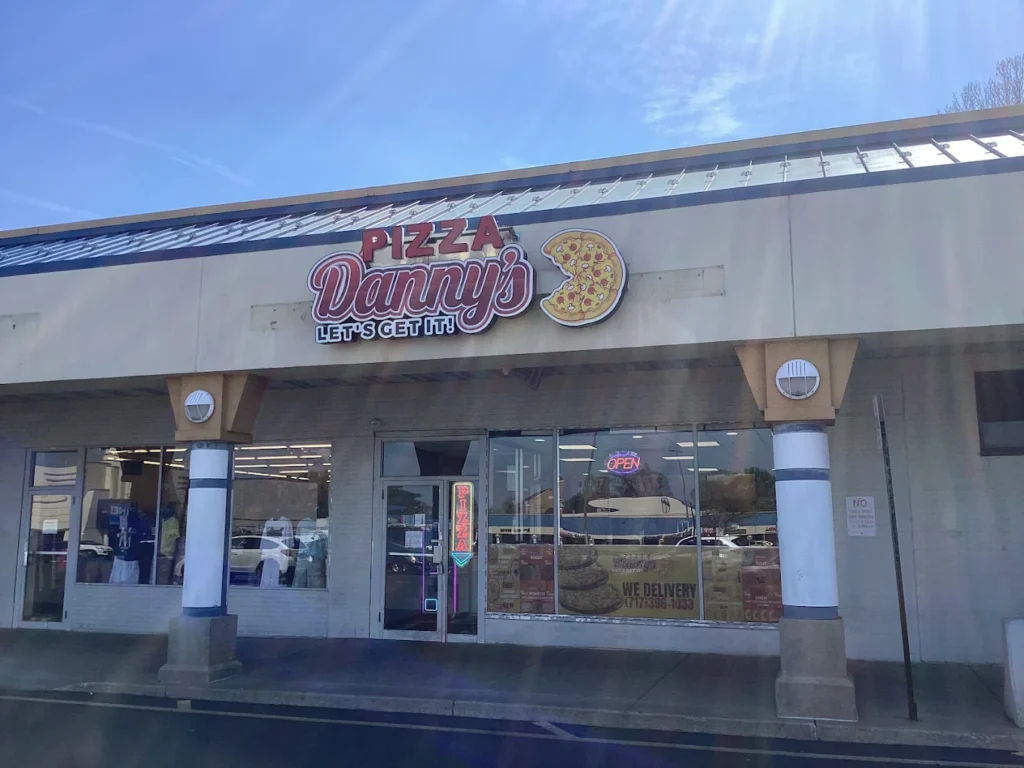
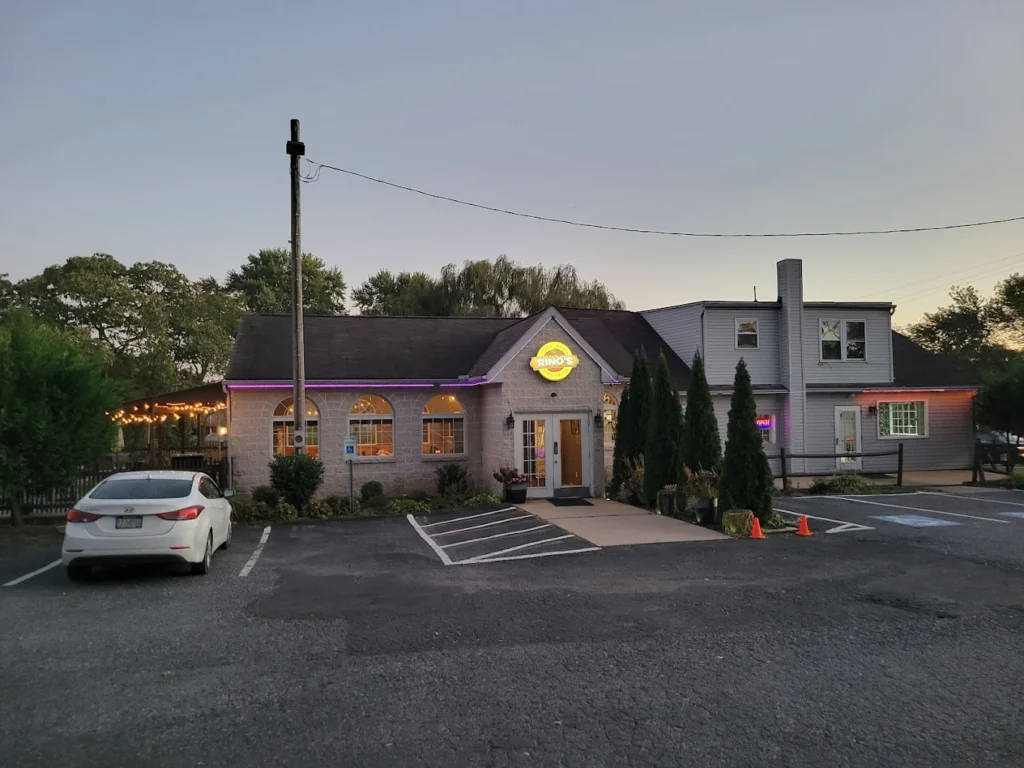
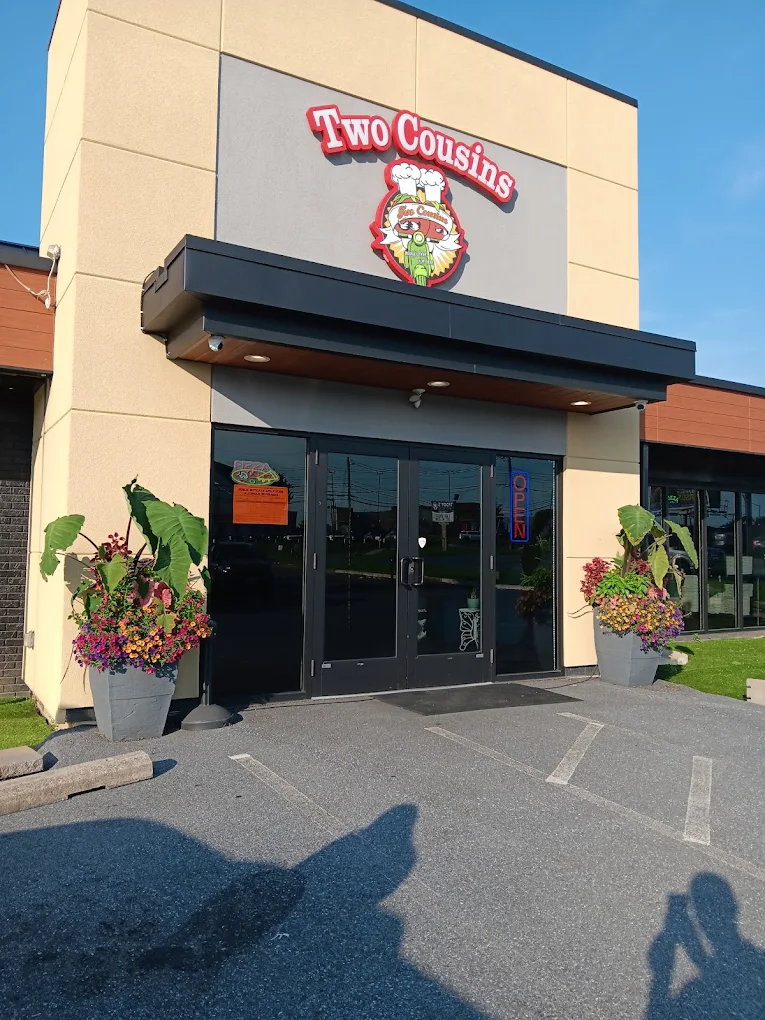
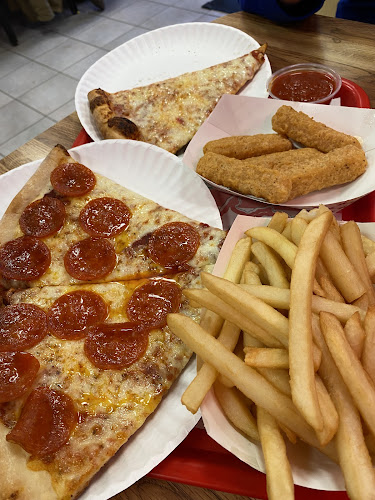
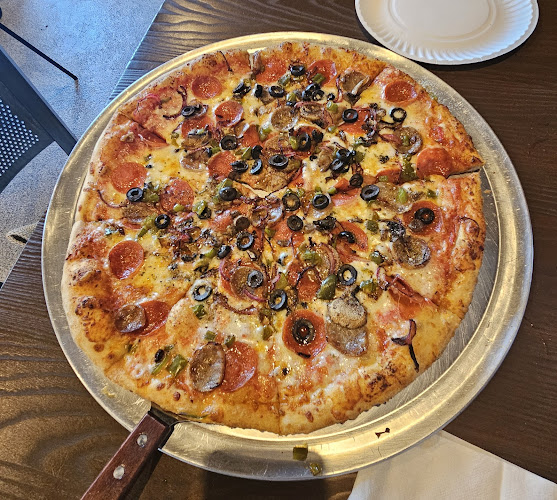
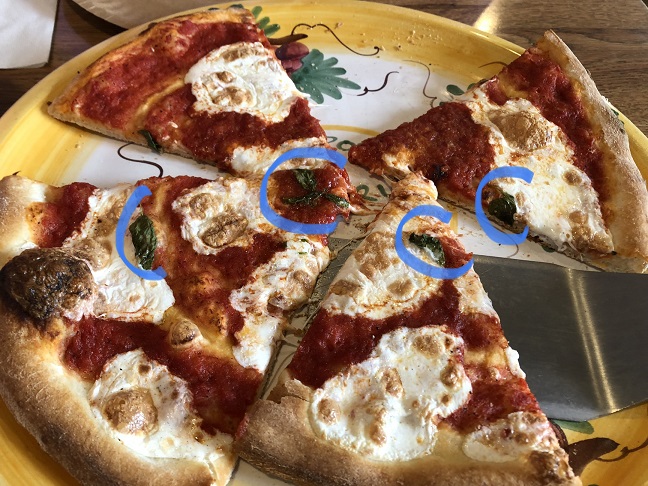
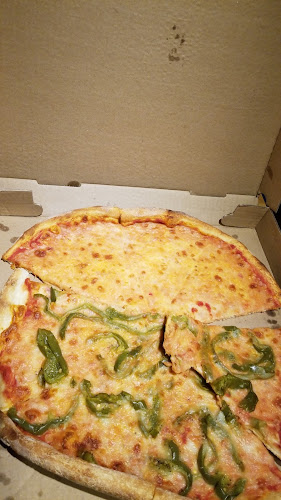
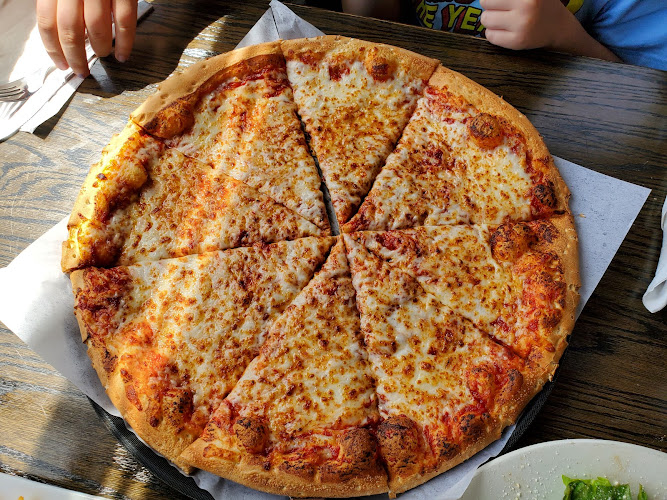
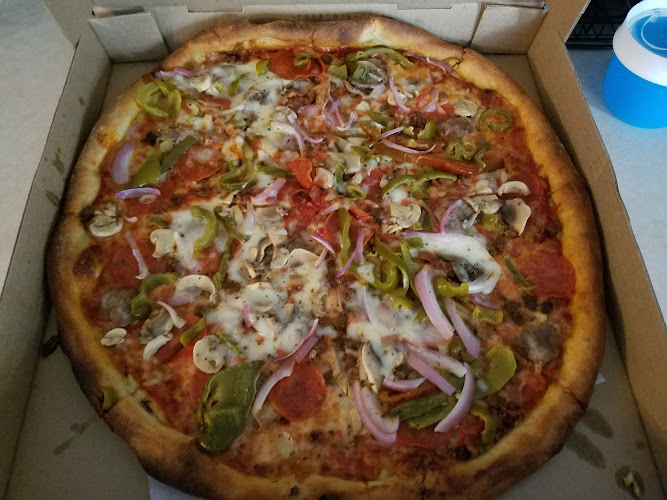
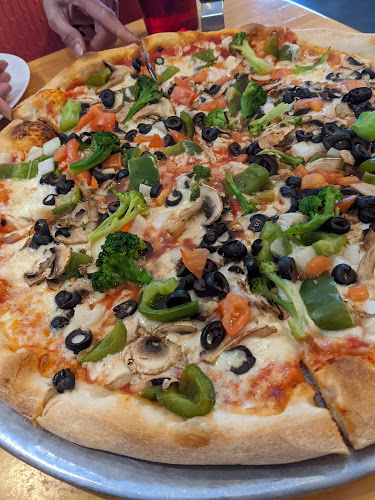
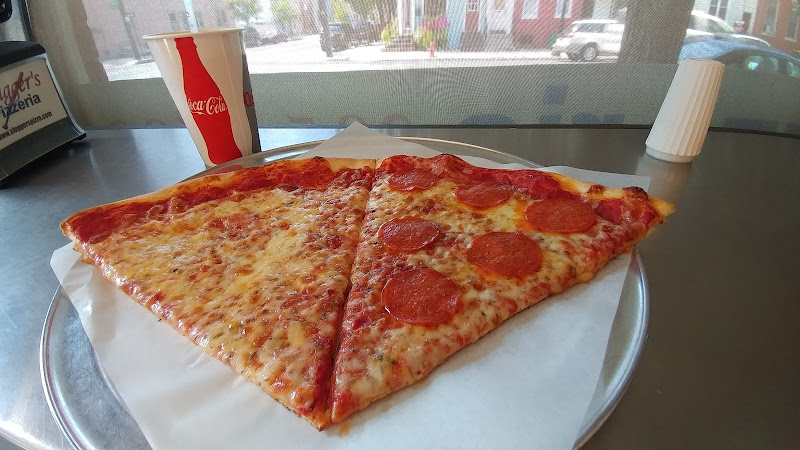
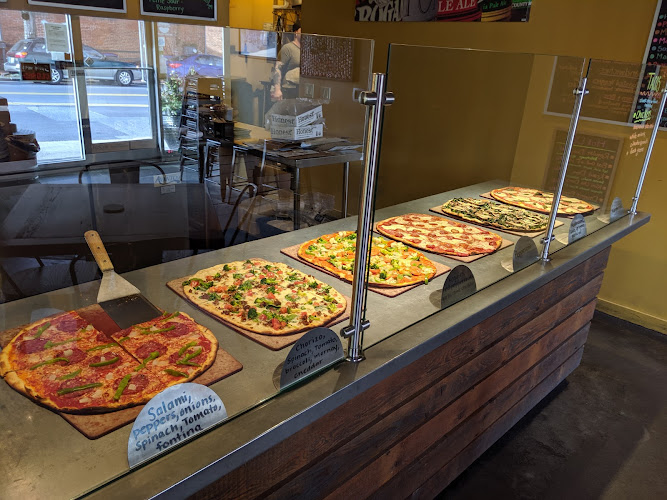
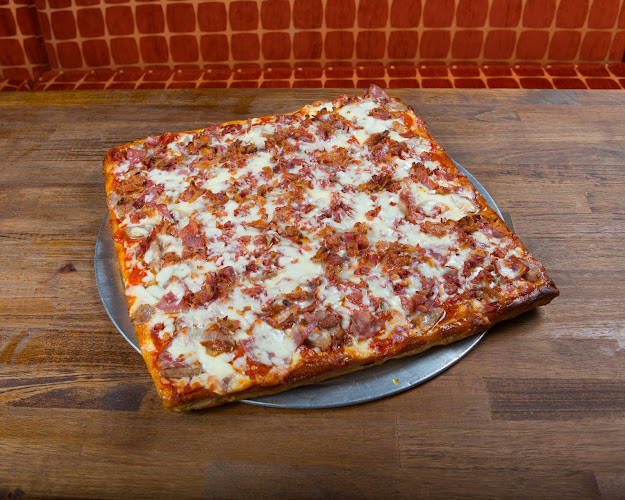
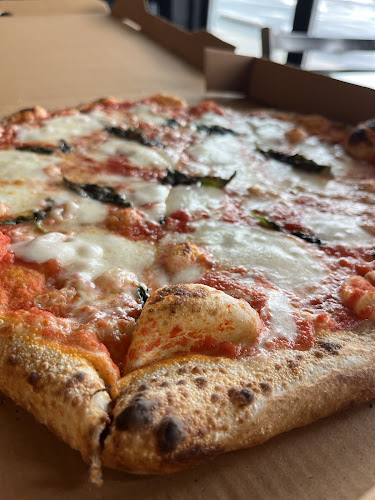
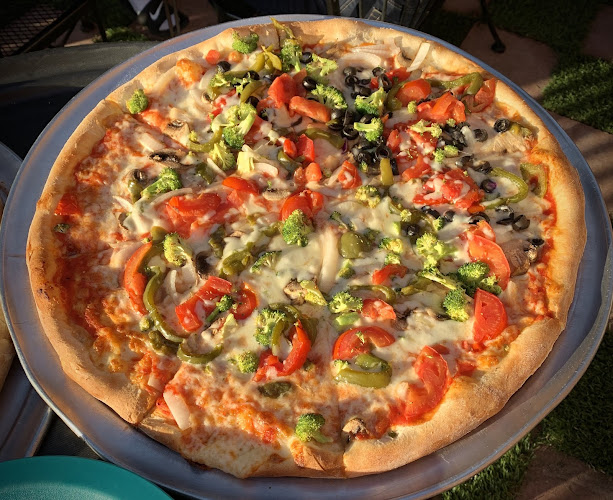
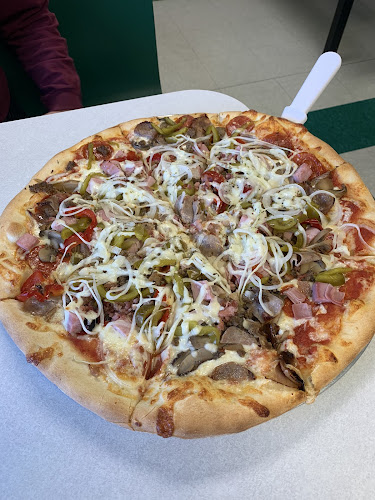
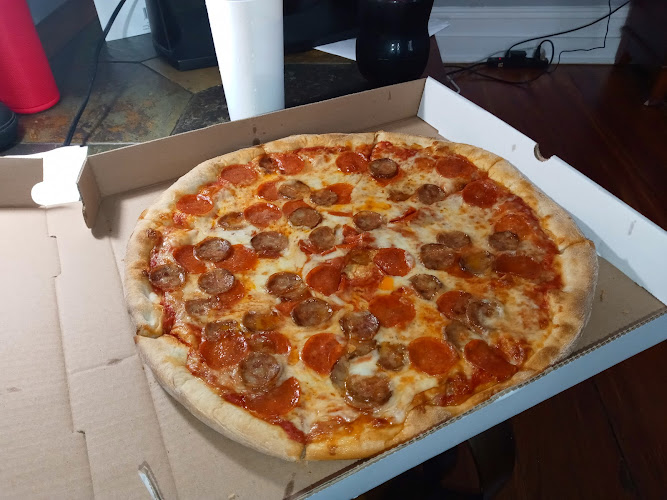
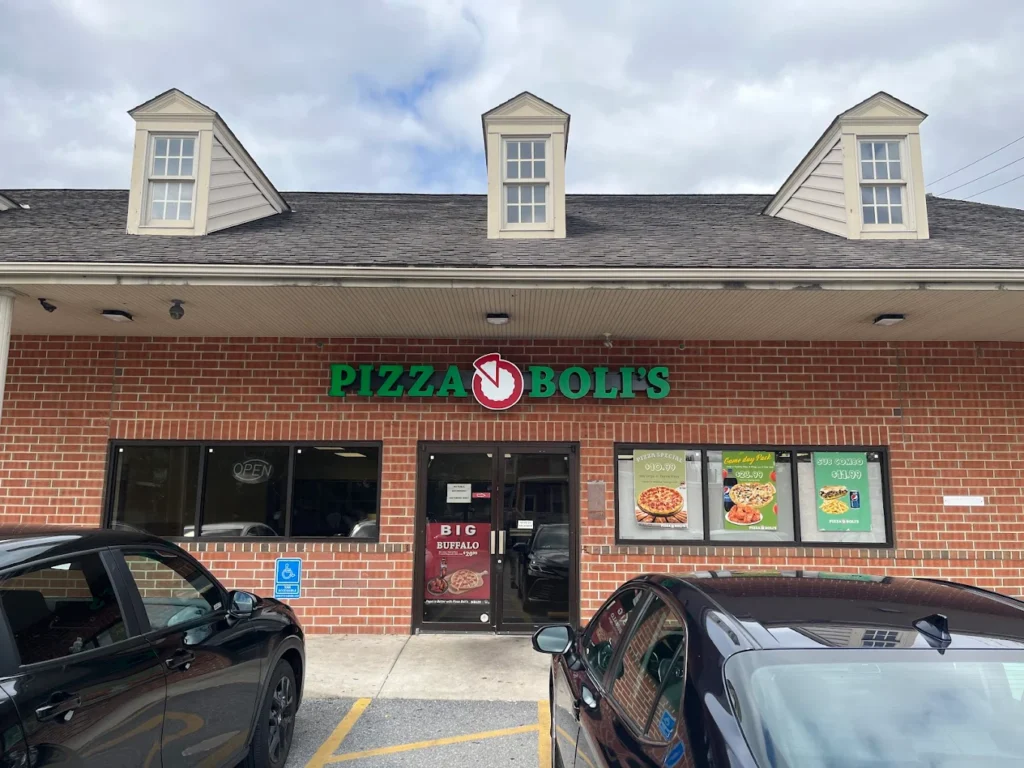
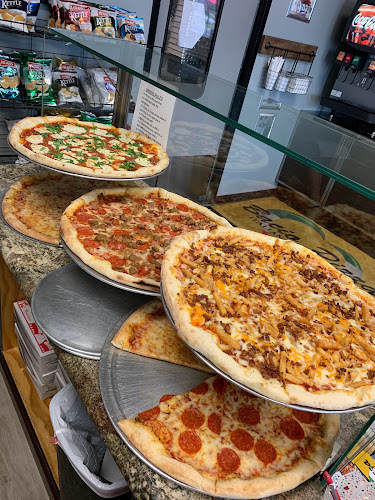
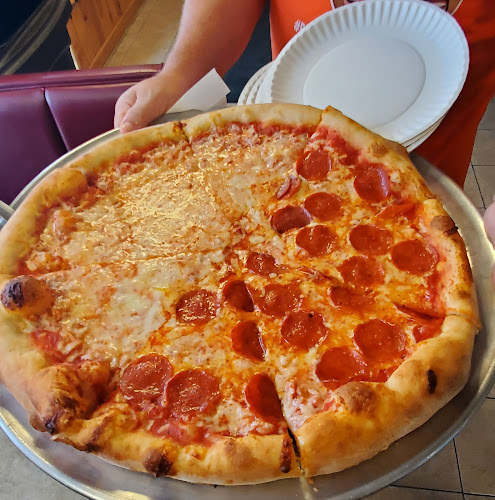
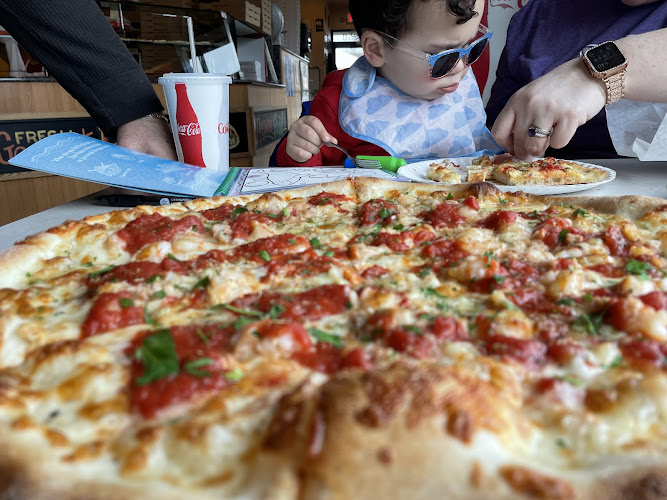
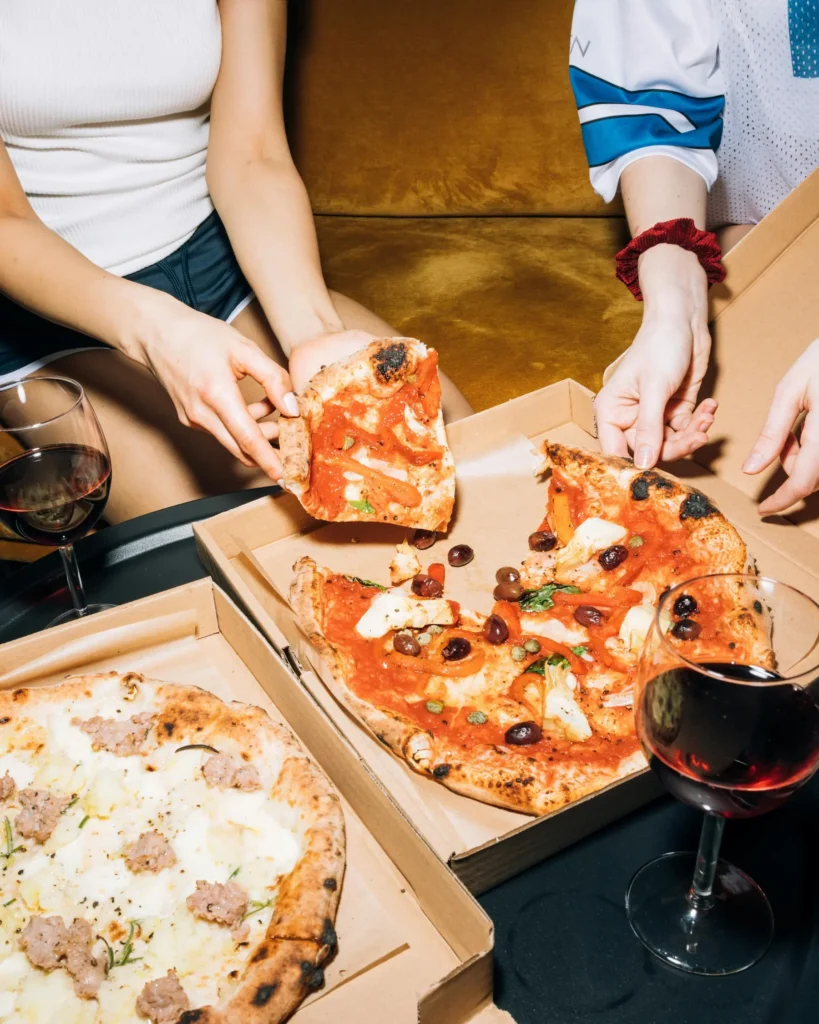
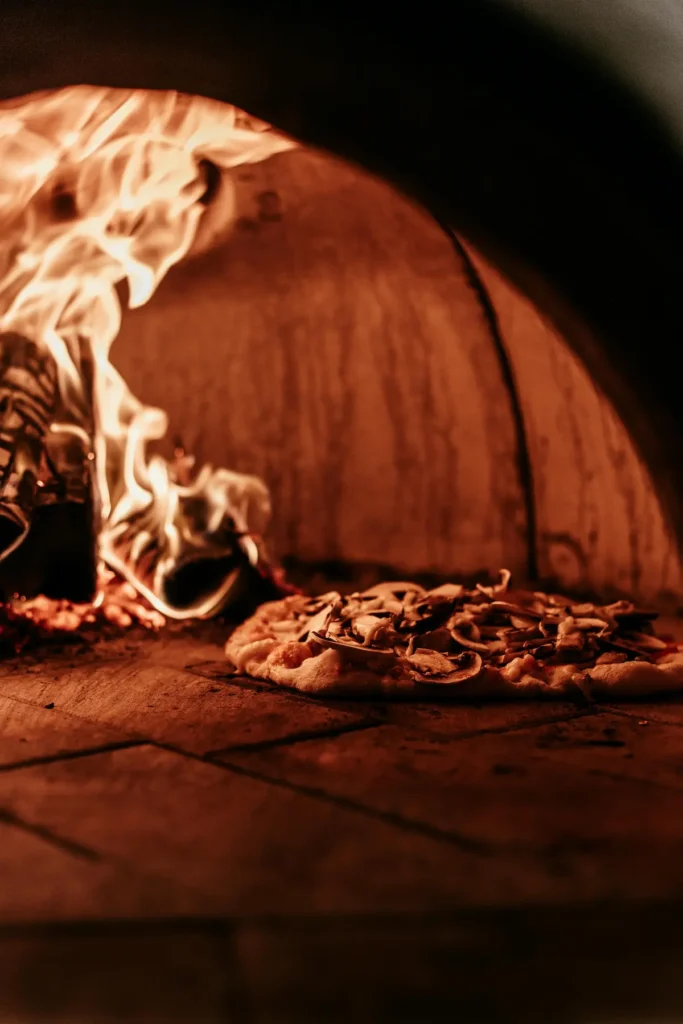
Lancaster County has grown into a place where you can find well-made pizza in almost any neighborhood, whether you want an artisan Neapolitan pie or a no-nonsense Friday-night special. Lancaster doesn’t have a single pizza identity. It’s part wood-fired farm-to-table and part New York transplant, with a long line of shops in between.
The Lancaster Pizza Playoffs
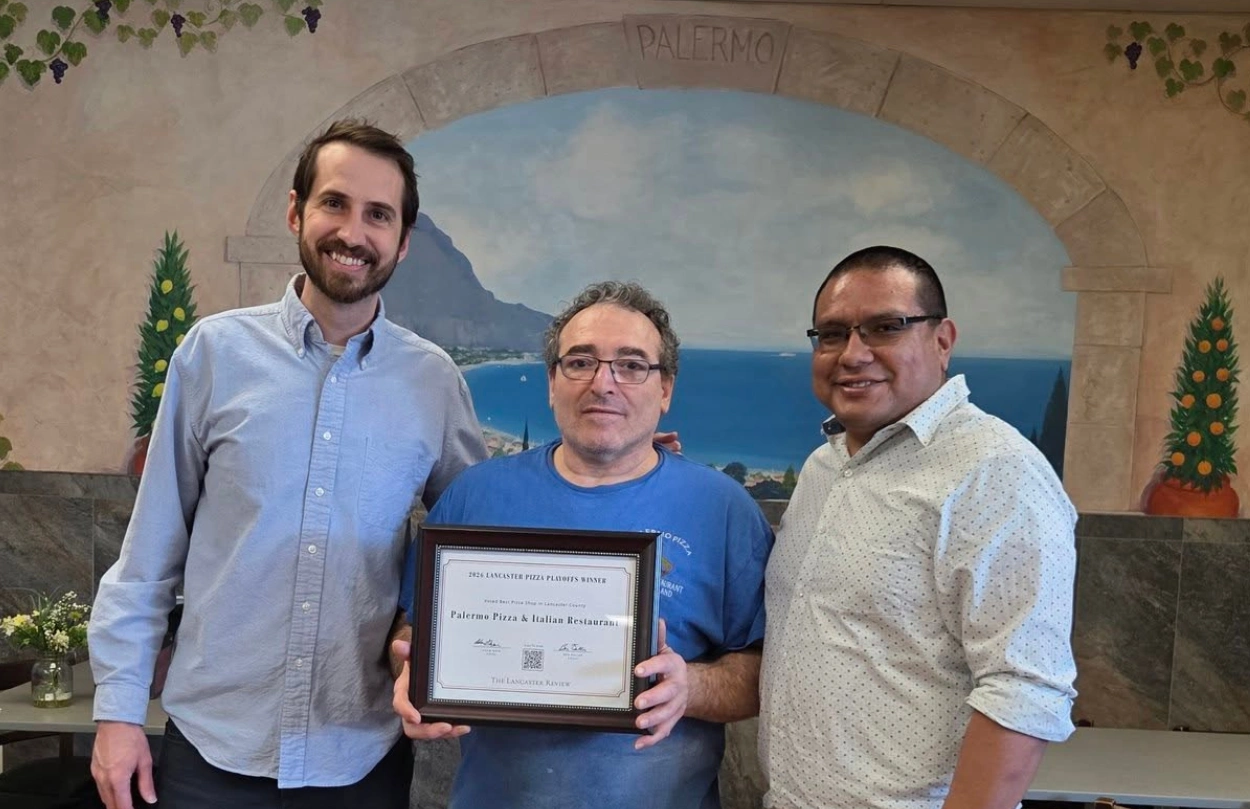
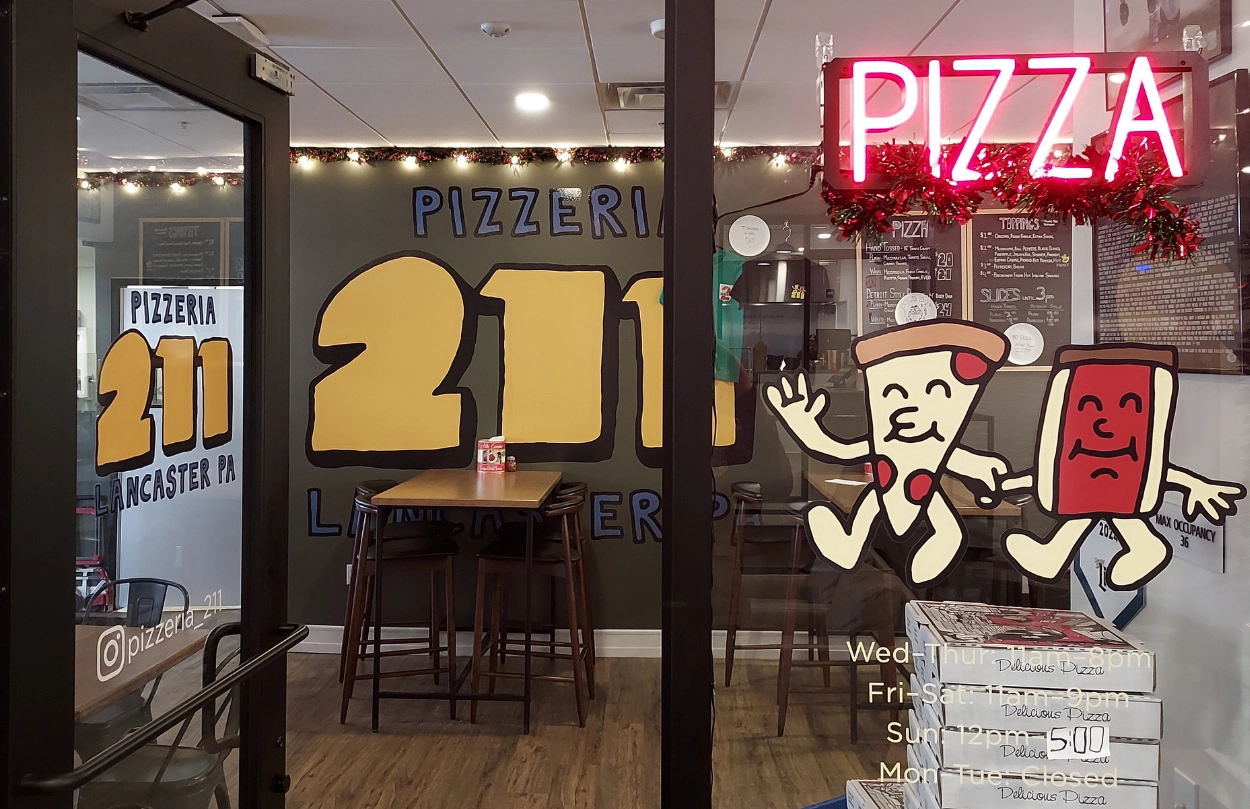
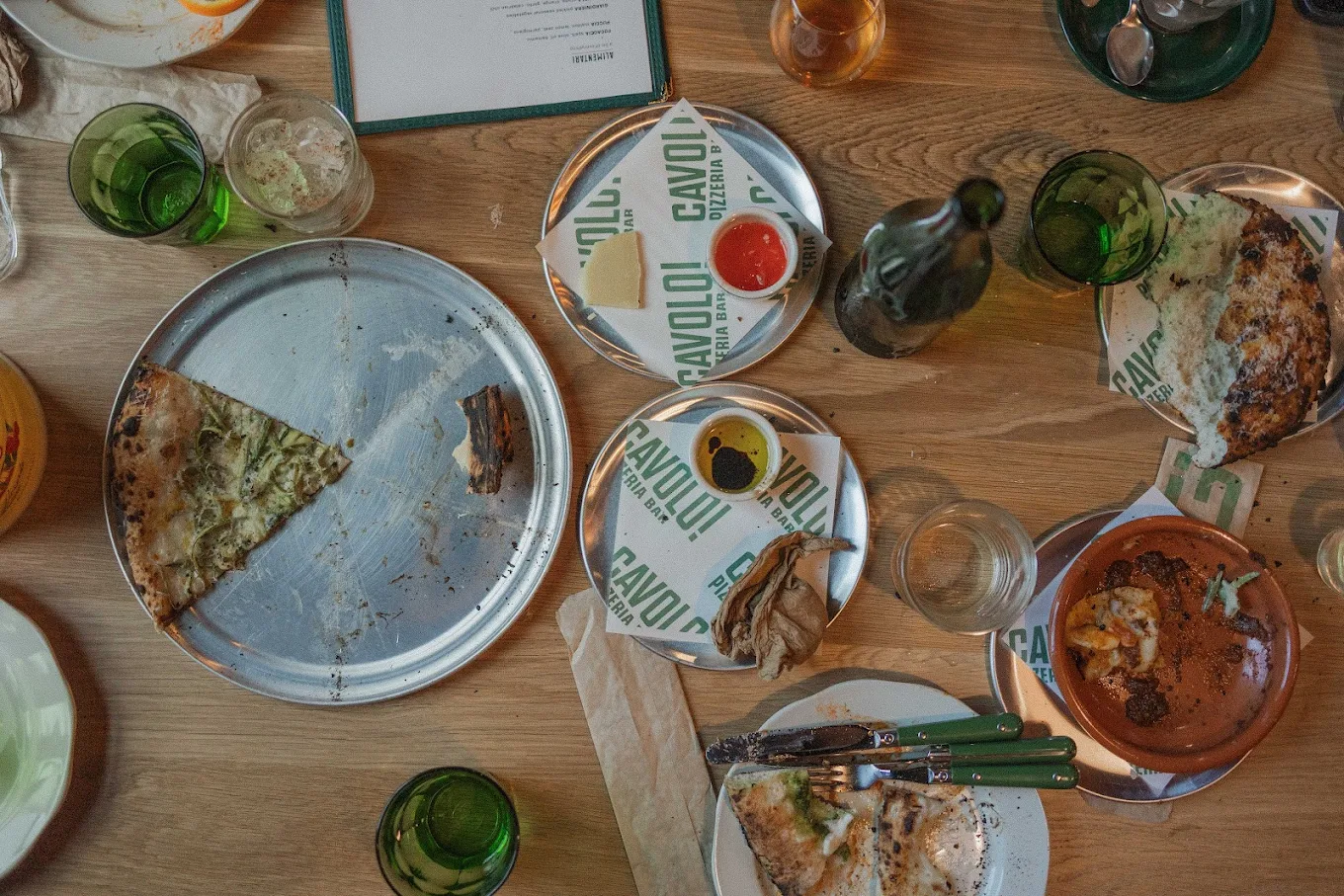
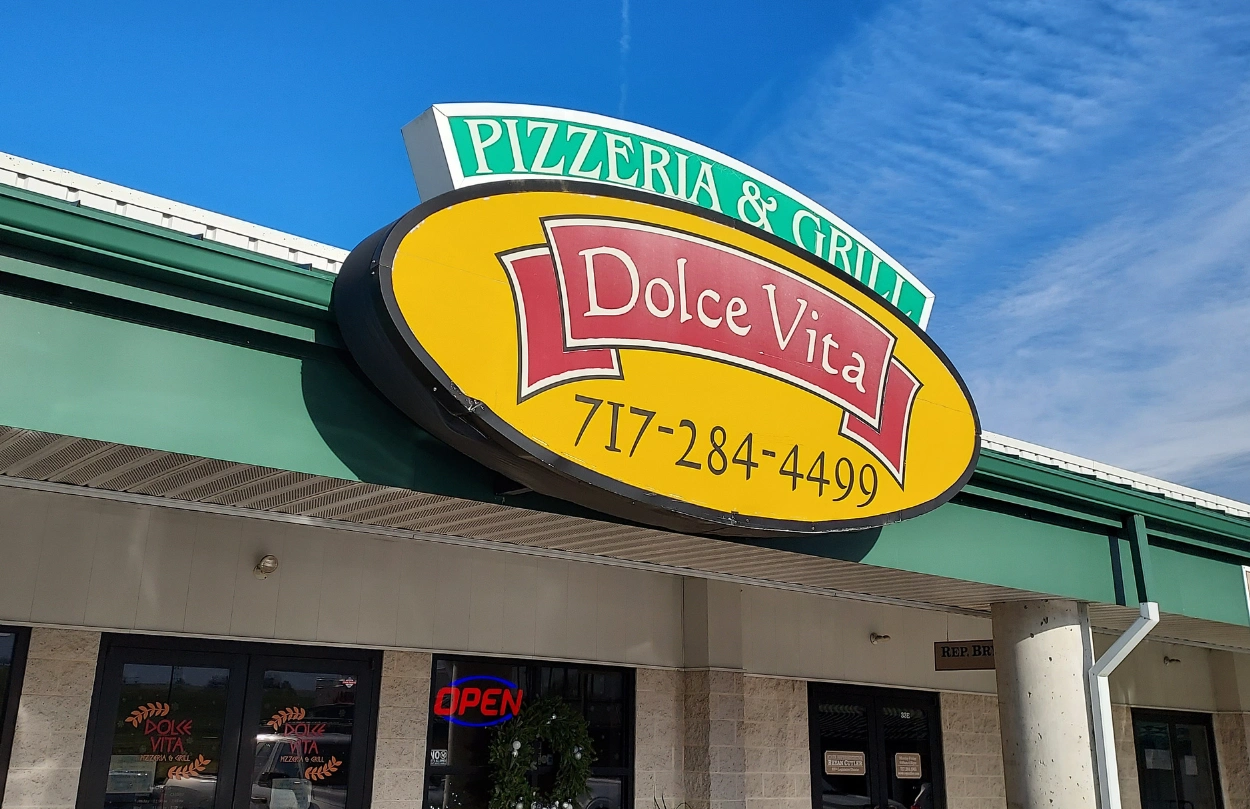
In February 2026, we ran our first Lancaster Pizza Playoffs contest find the best pizza shops in Lancaster County. We want to thank all the pizza shops and everyone who voted! There are so many great local pizza spots in Lancaster County, but four spots rose to the top of the rankings. We learned that some places have fans, and some places have FANS! The following four shops had over 600 votes and pulled away from the rest of the pack by a wide margin, earning them the honor of “Best of Lancaster.”
#1) Palermo Pizza & Italian Restaurant
What locals say:
“Palermo’s is the best food and service, they make you feel like family.”
“Frankie & Maria make the BEST Italian food! Love Palermo’s Pizza.”
“Frank is a legend and the pizza is amazing.”
“I moved to new holland 12 yrs ago from NJ. Tried out Palermo’s and never stopped going. Great pizza, food, and amazing staff.”
Sorry, no records were found. Please adjust your search criteria and try again.
Maps failed to load
Sorry, unable to load the Maps API.
How Do You Judge a Slice?
Some people are all about the crust, others have strong opinions when it comes to the taste and texture of the cheese or sauce. Here are a few ways that world class chefs judge the best slice of pie.
The Cornicione (Cor-nee-cho-nay): The outer rim of the crust. It should be puffed and airy, not a dense ring of dough. Slice it open; you want to see large, irregular air pockets, not a tight bread sponge.
The Undercarriage: Lift the slice. The bottom should be browned and firm. If it is pale or white, the oven wasn’t hot enough. If it sags sadly, the hydration was wrong.
The Micro-Blistering: Tiny, crisp bubbles on the crust surface. These indicate a long, cold fermentation (24-48 hours), proving the kitchen didn’t rush the process.
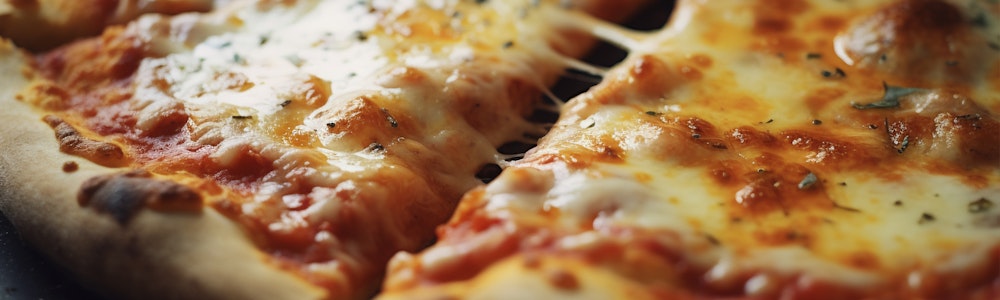
The Balance: Does the cheese slide off in a gloopy sheet? Is the sauce a pool of water? A great pizza is an act of engineering as much as cooking.
Pizza 101: Know Your Styles
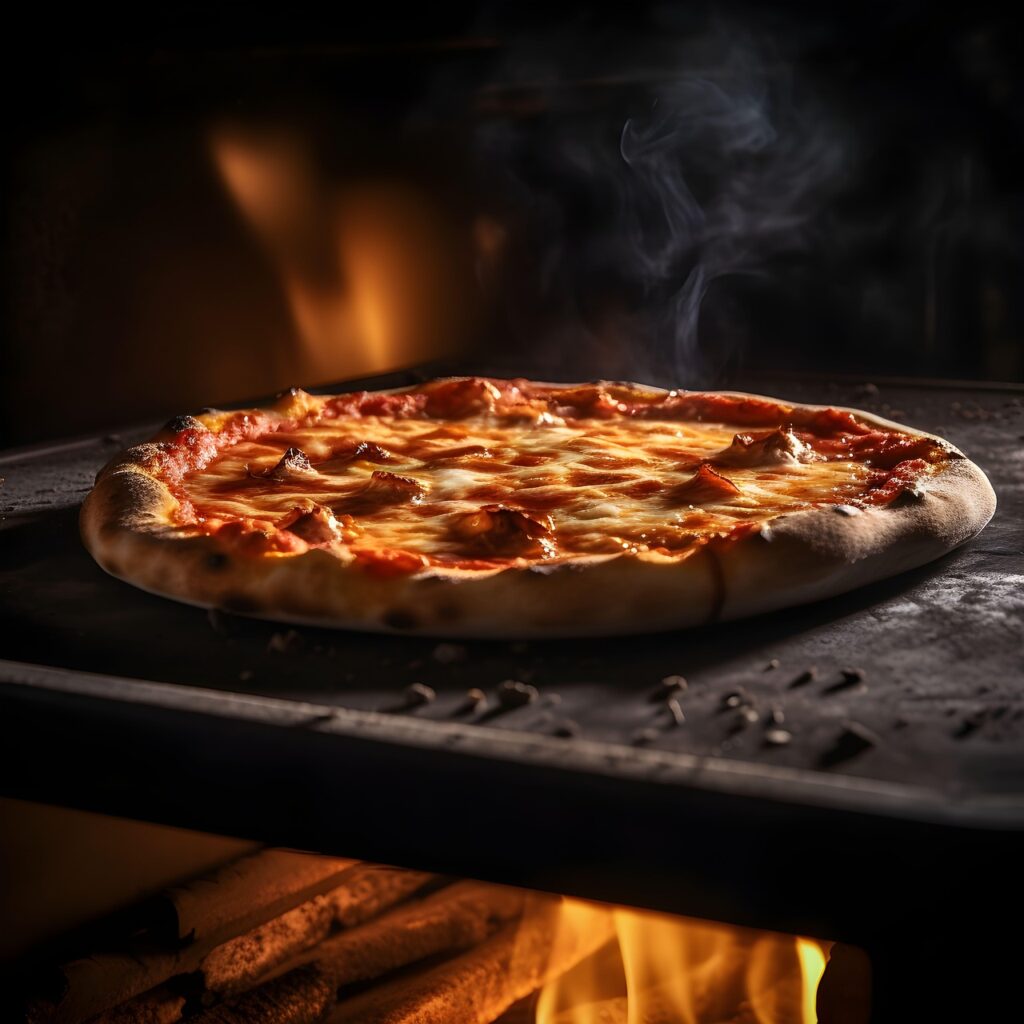
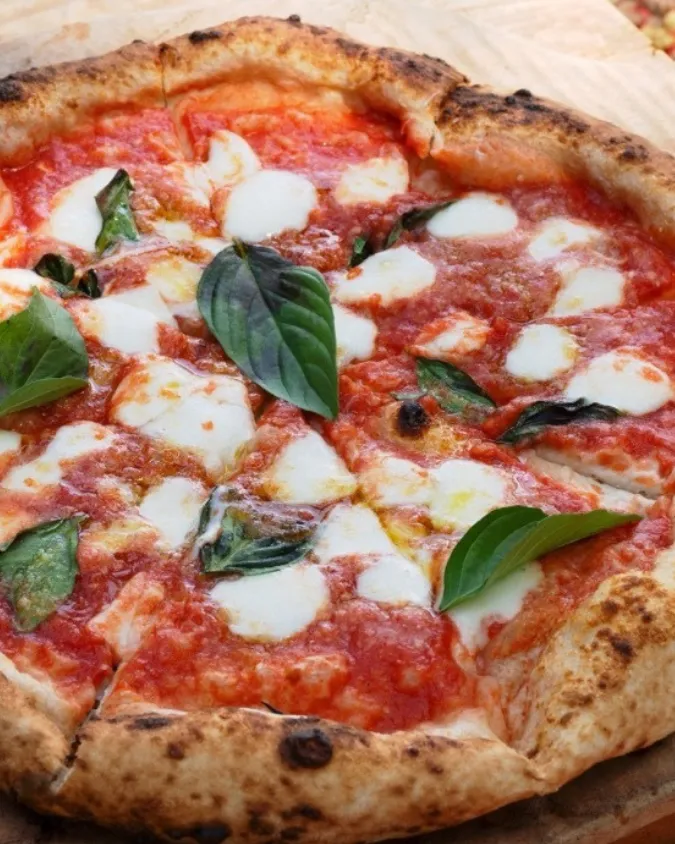
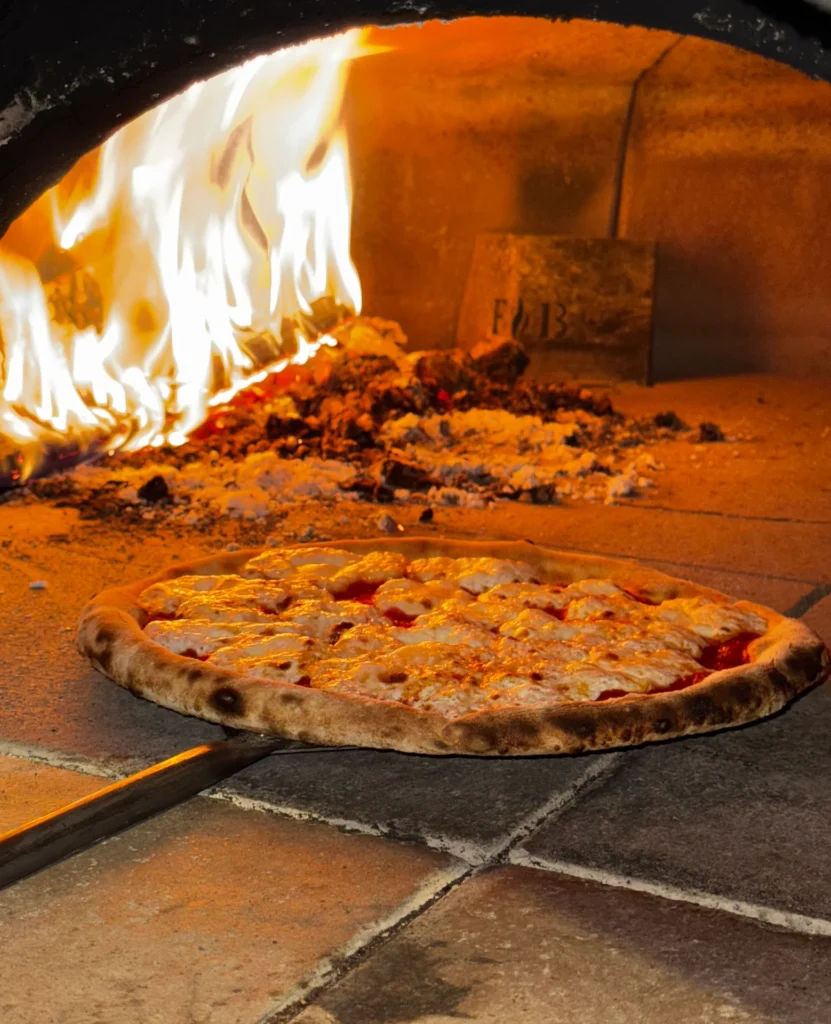
Neapolitan: The original. Wood-fired at 900°F for 90 seconds. The crust is soft, blistered with char (called “leopard spotting”), and the center is often wet (“soupy”). You eat this with a knife and fork.
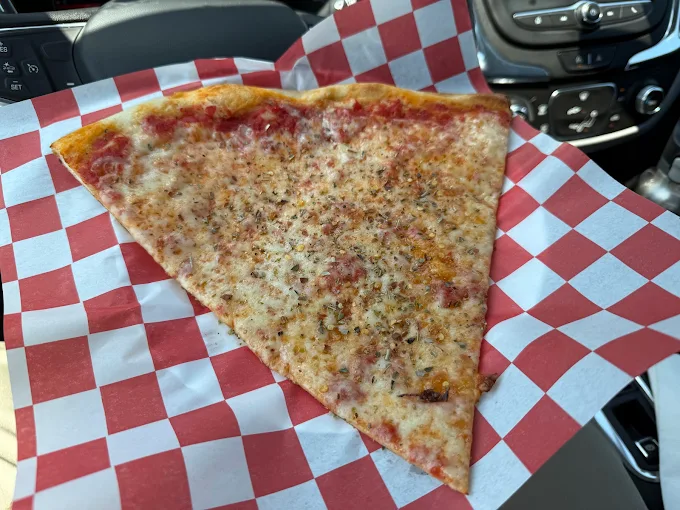
New York Style: The working man’s slice. High-gluten flour creates a crust that is chewy and foldable. It should crack when folded, but not shatter.
Detroit Style: Baked in a rectangular steel pan. The dough is high-hydration (wet), resulting in an airy, focaccia-like crumb. The key is the frico—a cheese crown that caramelizes against the pan’s edge.
The Lancaster Standard: A distinct regional variant. Medium thickness (thicker than NY, thinner than Sicilian), often softer, and frequently topped with a sauce that leans noticeably sweet.