There’s a quiet, slow invasion taking place in your backyard. The ecological and economic damage from invasive plants is worse than many local residents realize. And the worst offenders are often hiding in plain sight. Understanding what they are, why they matter, and what to do about them is an easy way for us to improve the health of our county.
What Is an Invasive Plant?
According to the Lancaster Conservancy, invasive plants are those that take over a region in which they did not originate. They are often brought over for gardening, landscaping, or agriculture. Sometimes they arrive accidentally on shipping containers and as nursery inventory from other countries.
What makes them invasive rather than just non-native is how they behave when they get here. Without the natural predators that keep them in check back home, they spread aggressively, depriving native plants of sunlight, water, and nutrients. They reduce biodiversity and degrade our local ecosystems.
How It’s Affecting Lancaster County
The economic toll is surprisingly high. According to the Lancaster Conservancy, the USDA estimates that invasive plants have cost the U.S. economy more than $26 billion per year since 2010.
When invasive plants spread, they displace native plant communities and the habitats that our wildlife depends on. Losing native plants means less food for pollinators, fewer host plants for caterpillars, less cover for ground-nesting birds, and weaker root systems for our soil.
But the problem isn’t only in wild areas. Many of the worst invasive plants in Lancaster were originally sold as decorative, low-maintenance garden plants. The Pennsylvania Department of Agriculture says that, plants like Bradbury pears, Norway maples, burning bush, Japanese barberry, and butterfly bushes, are are in many Lancaster yards and gardens. Many homeowners don’t understand the ecological damage these plants cause when they spread into neighboring properties, parks, and forests.
Lancaster’s Most Wanted: Invasive Plants to Watch Out For
Here are some of the invasive plant species you’re most likely to find in Lancaster County and the native alternatives that can replace them.
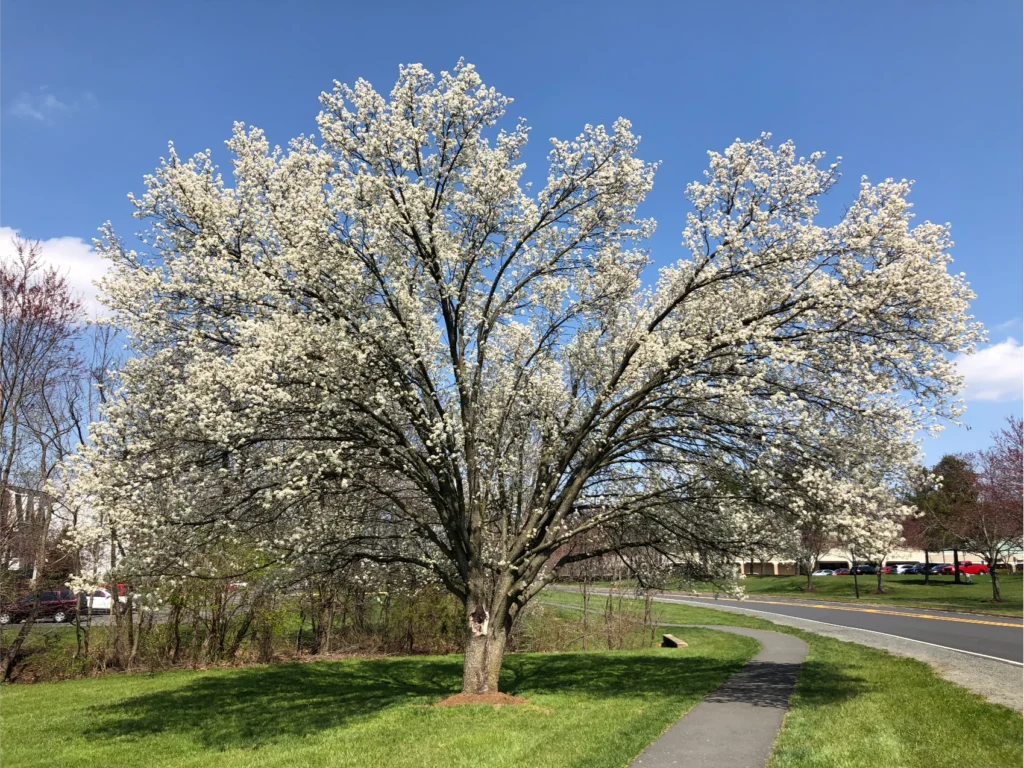
Remove Callery (Bradford) Pear Trees. The widely planted street tree has white spring flowers and fall color. It looks nice from a distance, but its wood is weak and breaks easily in storms, its flowers smell terrible, and it’s a prolific spreader that crowds out native species. It’s also a poor host plant for caterpillars, which are a critical food source for birds.
Replace them with Serviceberry, which offers white spring flowers, edible summer berries, brilliant fall foliage, and benefits local wildlife.
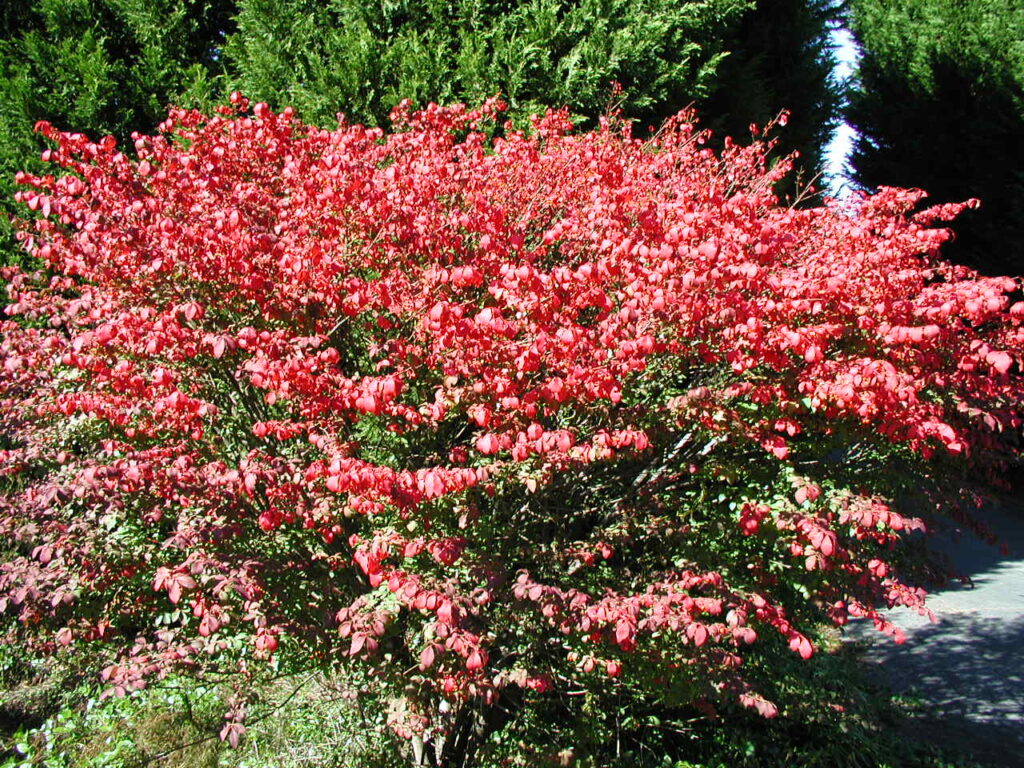
Remove Burning Bush Plants. The brilliant red fall colors that this plant proves comes at a cost. Birds eat the fruits and spread the seeds everywhere, creating dense understory growth that shades out native plants.
Replace them with Highbush Blueberry, which also provides vibrant fall color, edible fruit, and supports pollinators.
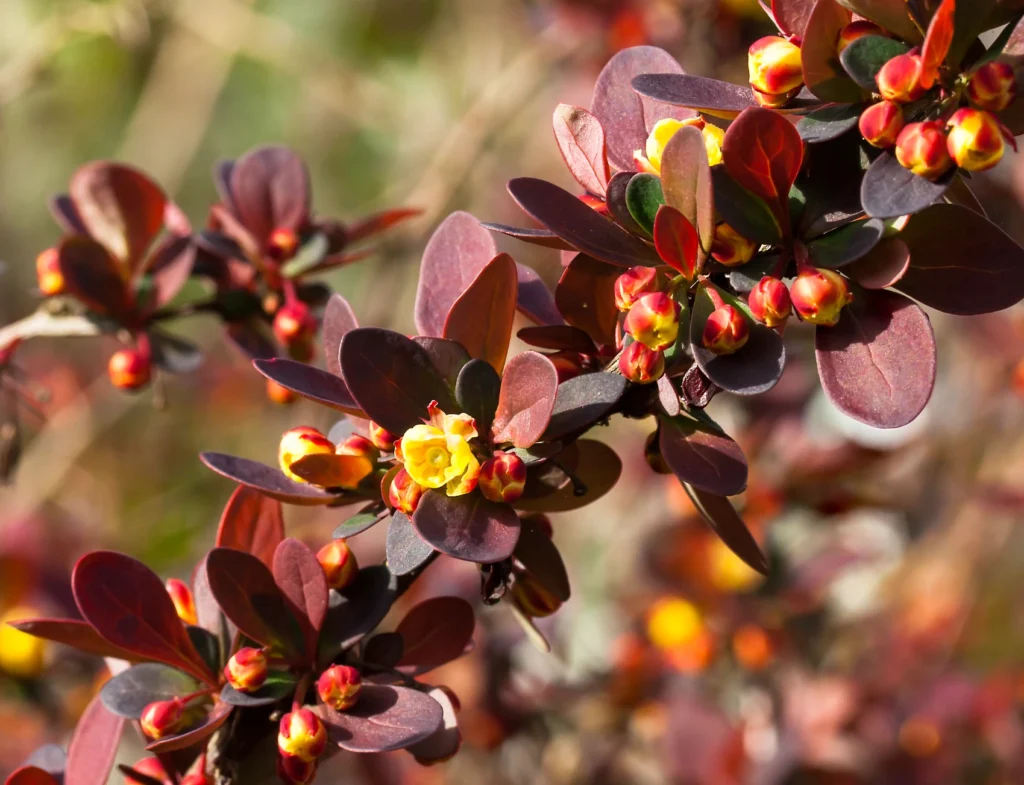
Remove Japanese Barberry Plants. This is another plant with stunning fall color, but it colonizes forest floors so aggressively that it creates monocultures. Its dense foliage also creates the humid microclimate that ticks love, making it a public health concern.
Replace them with Virginia Sweetspire, a plant with arching white flowers in summer and red and yellow fall leaves.
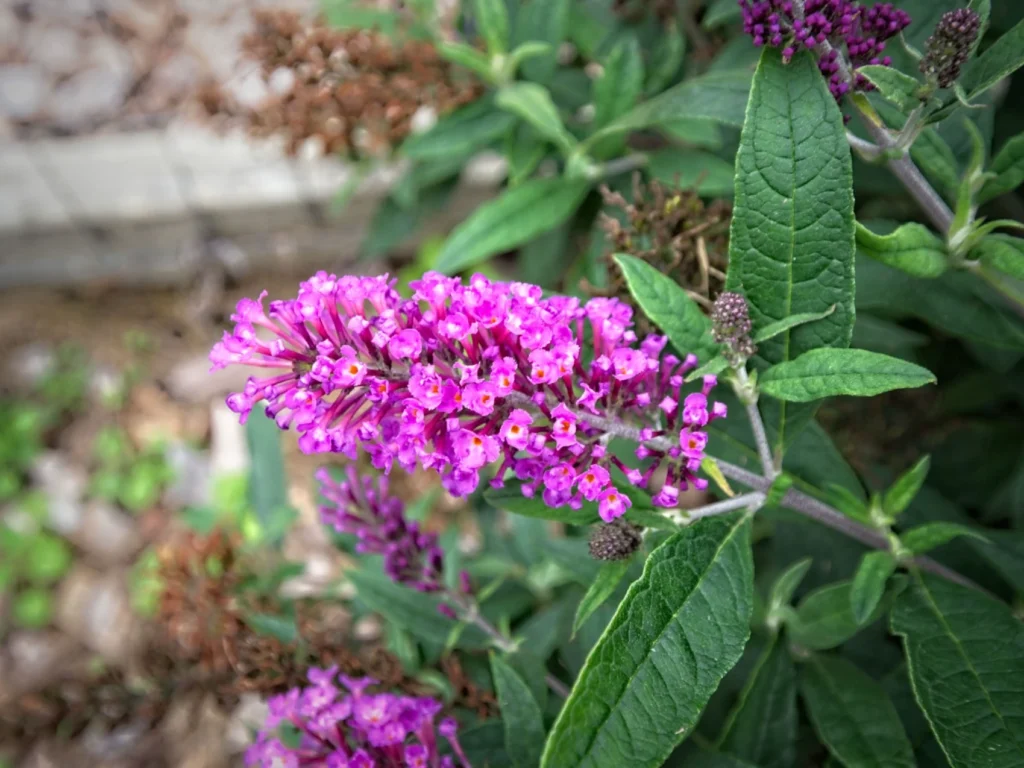
Remove Butterfly Bushes. This is a frustrating one; butterflies do visit these bushes for nectar, but they don’t serve as host plants for any native caterpillar species. It’s a seed-producing machine that escapes gardens and invades other areas. Multiple sources list this one as an invasive species.
Replace them with Summersweet, which blooms with white or pink flowers later in summer when other shrubs have finished, and is a favorite of bees and hummingbirds.
Remove Norway Maple Trees. This tree was brought to the U.S. in the 1700s as a shade tree; it’s resistant to pollution and compacted soil, which made it popular in cities. But its dense canopy and shallow roots make it nearly impossible for anything else to grow beneath it.
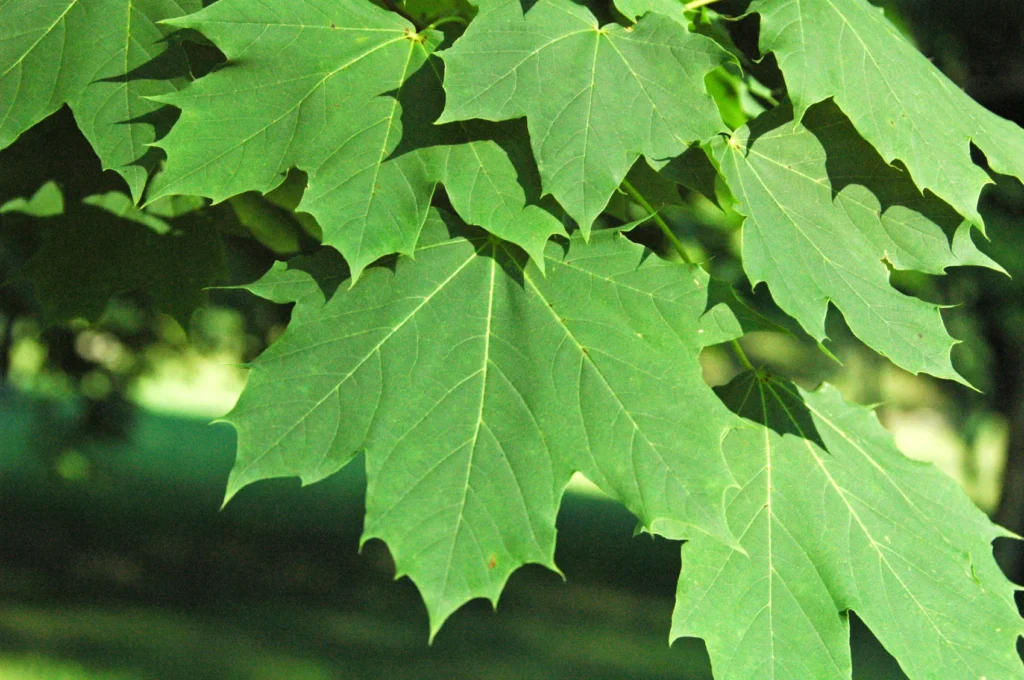
Replace them with Sugar Maple trees, which offer far superior fall color and support hundreds of caterpillar species that birds depend on.
Lancaster Conservancy Forester Eric Roper also flagged these emerging threats:
Kudzu: Called “the vine that ate the South”, it can grow more than a foot in a single day and is now present in South Central Pennsylvania.
Chinese Yam: A plant that forms dense mats that suffocate native plants, and its seeds are spread by birds, making it extremely difficult to control.
Wavyleaf Basketgrass: A shade-tolerant grass that produces sticky seeds that cling to shoes, clothes, and pets, has been found at Lancaster County Central Park and at Kelly’s Run Nature Preserve.
What’s to Do Next in the Battle for Your Backyard
While invasive plants are not a problem we can fully solve, too many are already established, so we can manage them and slow their spread.
The Lancaster Conservancy is fighting this battle on thousands of acres of preserved land. The state is developing incentive programs to engage homeowners. And every Lancaster County resident who pulls a barberry bush and plants a native blueberry is helping with the fight.
The 2026 PA Invasive Replace-ive Program giveaway in Lancaster takes place May 16 at Reservoir Park (832 E. Orange Street). Registration opens March 31. For details, visit: https://www.pa.gov/agencies/pda/about-pda/boards-commissions/governors-invasive-species-council/pa-invasive-replace-ive-program