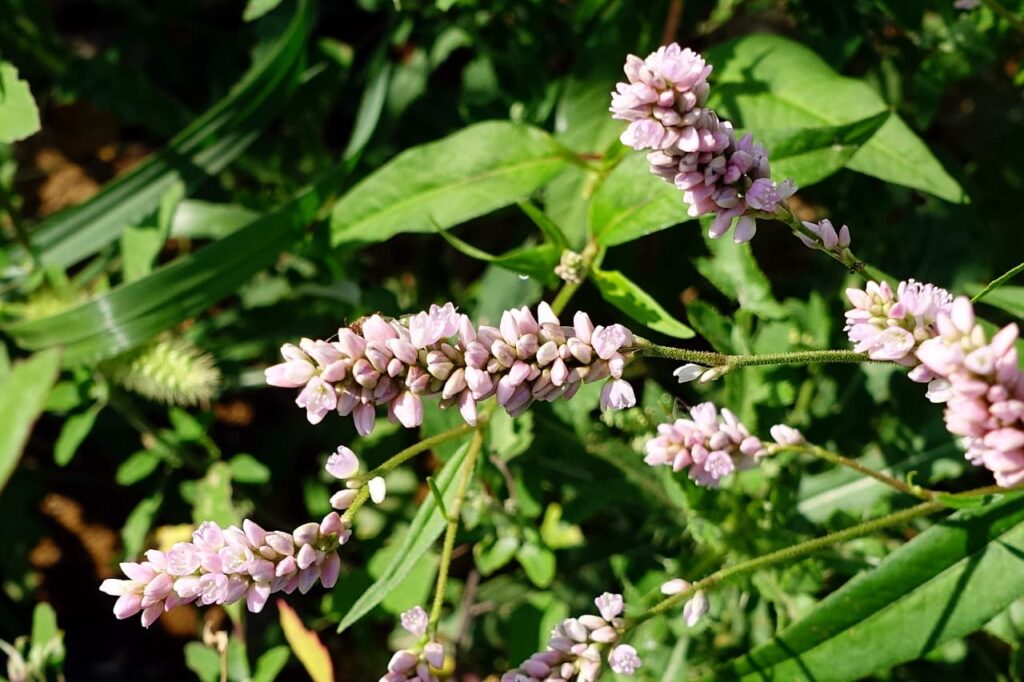
Native plants are everywhere in Lancaster County, or at least, they used to be. As development expands and ornamental landscaping fills our neighborhoods, the plant communities that have sustained this region’s wildlife for thousands of years are quietly disappearing. And that matters more than many of us realize.
What Exactly Is a Native Plant?
Pennsylvania is home to roughly 2,100 native plant species. According to the Pennsylvania Department of Conservation and Natural Resources, a native plant is one that grew in this area before European colonization. A few you might recognize include: Summersweet, Redbud, Flowering Dogwood, and Jerusalem Artichoke.
Why It Matters for Lancaster County
Because of centuries of clearing Lancaster land for agriculture and development, very little of our original forest cover remains. That’s not a criticism of farming; it’s the reality of a landscape that has been inhabited and reshaped by humans.
The problem is that when native plant communities shrink, everything that depends on them shrinks too. For example, consider the monarch butterfly. The only plants monarchs can use for reproduction are milkweeds, which are indigenous to our region. As development destroys the wild areas of our county where milkweed grows naturally, monarch populations are declining. No milkweed, no monarchs.
The chain reaction goes beyond one butterfly species. The Lancaster Conservancy says that pollinators play a critical role in the reproduction of about 90% of all flowering plants, and they’re involved in producing roughly one out of every three bites of food we eat. Native plants are what keep those pollinators alive and working.
Doug Tallamy, a University of Delaware entomologist who has spoken to Lancaster County audiences on this topic, argues that homeowners need to rethink their yards as potential conservation corridors not just decorative spaces.
As Penn State Extension’s Lancaster County Master Gardeners put it: “Native plants have many advantages for the home gardener because they are often easier to grow since they are adapted to local soils and climate conditions, and they require less watering and fertilizing than non-native plants. Natives are more resistant to diseases and do not need treatment with pesticides. These things save you time and money.”
What Are Lancaster’s Native Plants?
The Lancaster Conservancy’s Habitat Steward Plant List catalogs dozens of native perennials, grasses, vines, trees, and shrubs suited to our region. Here are some of the things that work especially well for Lancaster County gardens:
Flowering Perennials: Purple coneflower, bee balm, goldenrod, wild columbine, cardinal flower, milkweed, black-eyed Susan, asters, and wild geranium. Many of these bloom from late spring through fall and attract everything from hummingbirds to native bees.
Native Grasses: Switchgrass, little bluestem, prairie dropseed, and various sedges. These plants provide seed for birds, shelter for ground-nesting insects, and a structural backbone for any native planting.
Vines: Coral honeysuckle, Virginia creeper, passionflower, and native clematis.
Trees and Shrubs: Flowering dogwood, redbud, scarlet oak, sugar maple, black gum, and serviceberry.
How Do We Protect Them?
The good news is that you don’t have to own a nature preserve to make a difference. Here’s what the experts recommend:
Start planting. The Lancaster Conservancy’s Community Wildlife Habitat initiative encourages local property owners to plant native plants, trees, and gardens that reduce stormwater runoff while providing habitat for wildlife and pollinators. Even a few native plants added to your yard each year moves the needle.
Match the right plant with the right place. Check sunlight, soil pH, and moisture requirements before you plant. The Conservancy recommends planting in clusters with blooms throughout the season, using native grasses, and leaving seed heads, dried grasses, and dead wood in place over winter.
Build a rain garden. Rain gardens capture stormwater at its source, preventing polluted runoff. The average quarter-acre lot can generate over 5,000 gallons of runoff in a single one-inch rainfall. Native-planted rain gardens filter that water while feeding pollinators and wildlife.
Get certified. The Lancaster Conservancy, in partnership with the National Wildlife Federation, offers Habitat Advocate classes and can conduct habitat site assessments on your property. They’re building a map of Certified Wildlife Habitats across the county.
Buy nursery-propagated plants. DCNR is clear on this: do not remove native plants from the wild. Wild-collecting depletes native populations, and many transplanted wild specimens don’t survive. Buy from nurseries that propagate their own stock. Lancaster County is home to several native plant nurseries, and the Conservancy publishes an updated list of regional native plant sources.
Next Steps for Native Plants Advocates
Native plants aren’t just a gardening trend or an aesthetic preference. They are the foundation of the ecological systems that make Lancaster County livable. The songbirds, the fireflies, the clean water in our creeks, the pollinators in our farm fields, all of it traces back to whether native plant communities can hold on in a landscape that’s changing fast.
The Penn State Master Gardeners put it well: “Imagine a silent garden with no songbirds singing! Without native plants, our wildlife is at risk of extinction. It is up to us, the home gardener, to reintroduce native plants into our landscapes”.
You don’t need a degree in botany. You just need a shovel and a willingness to plant something that belongs here.
For native plant lists, rain garden plans, and habitat resources, visit lancasterconservancy.org/engaging-our-community/habitat.