Six wild edibles growing in Lancaster County, and the rules about where you can pick them
The pawpaw is the biggest fruit native to North America. Its flavor is a mix of mango and banana. Pawpaws grow wild in Lancaster County, but most locals have never tried one. They bruise easily and spoil within a week, so you won’t find them in stores. If you want to taste one, you’ll need to pick it yourself.
Pawpaws are just one example of wild foods in our county’s fields and woods. Ramps appear on north-facing slopes in April. Morels pop up in orchards during the first week of May if nights stay warmer than fifty degrees. By July, wineberries fill the fencerows. In October, black walnuts fall in bushels under a single tree.
Six Plants to Start With
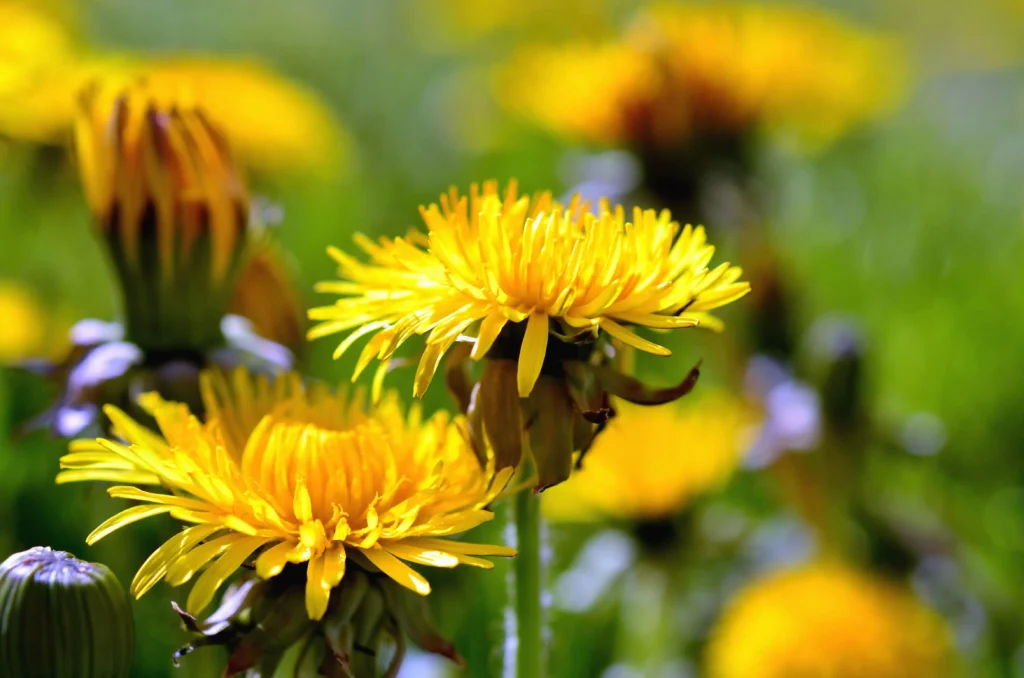
Dandelion: Every part of this plant is edible, from root to flower, and it grows in almost every yard in the county. The young leaves, picked before the plant blooms, are the least bitter.
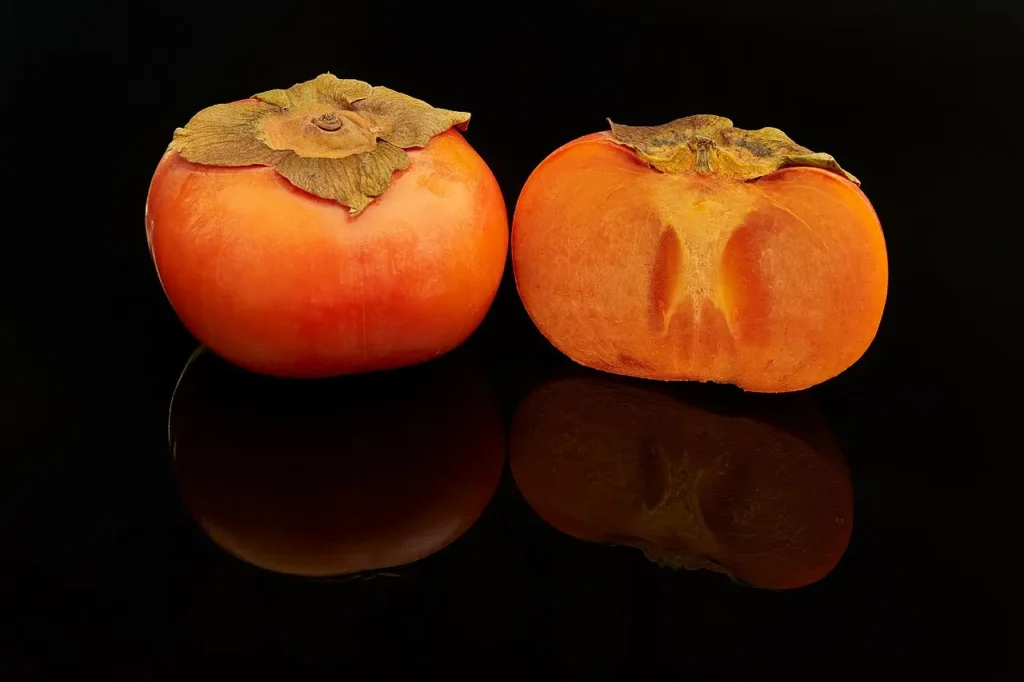
Persimmons: American persimmons become sweet only after a hard frost. If you pick one too soon, it will make your mouth pucker, but if you wait, it tastes like caramel.
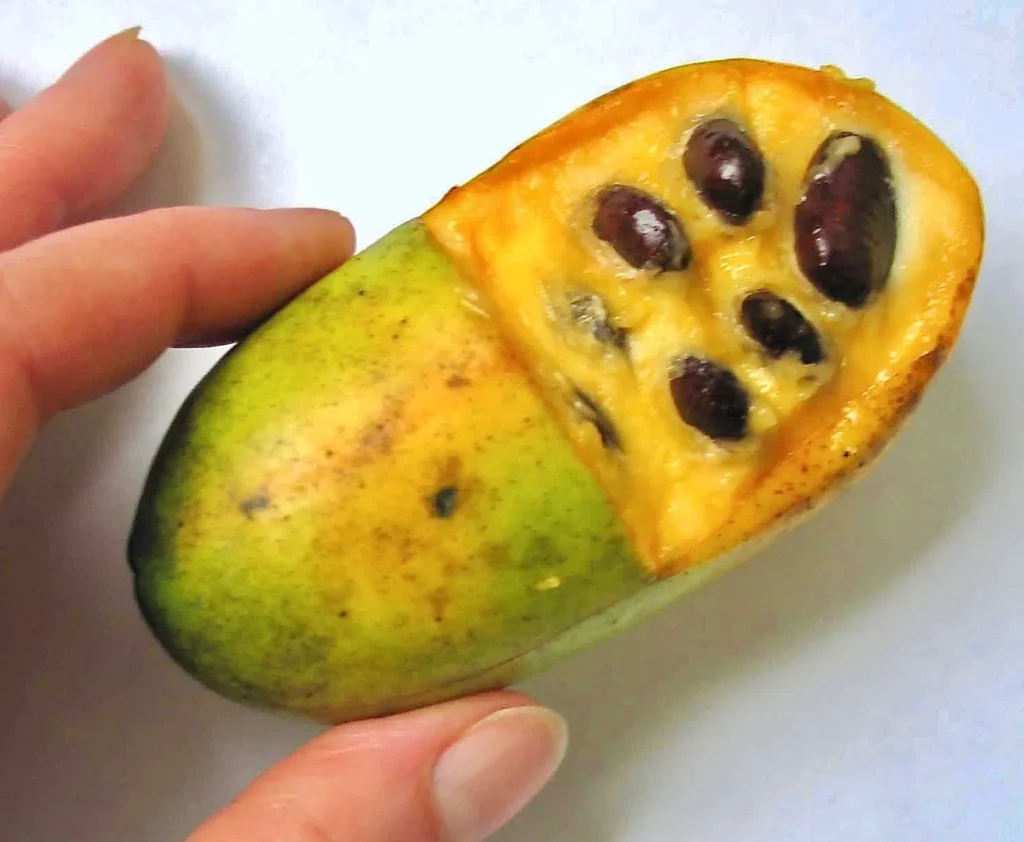
Pawpaws: They ripen in September and October and are found along creek bottoms, often in groups of a dozen trees or more, since pawpaws spread by root as well as by seed.
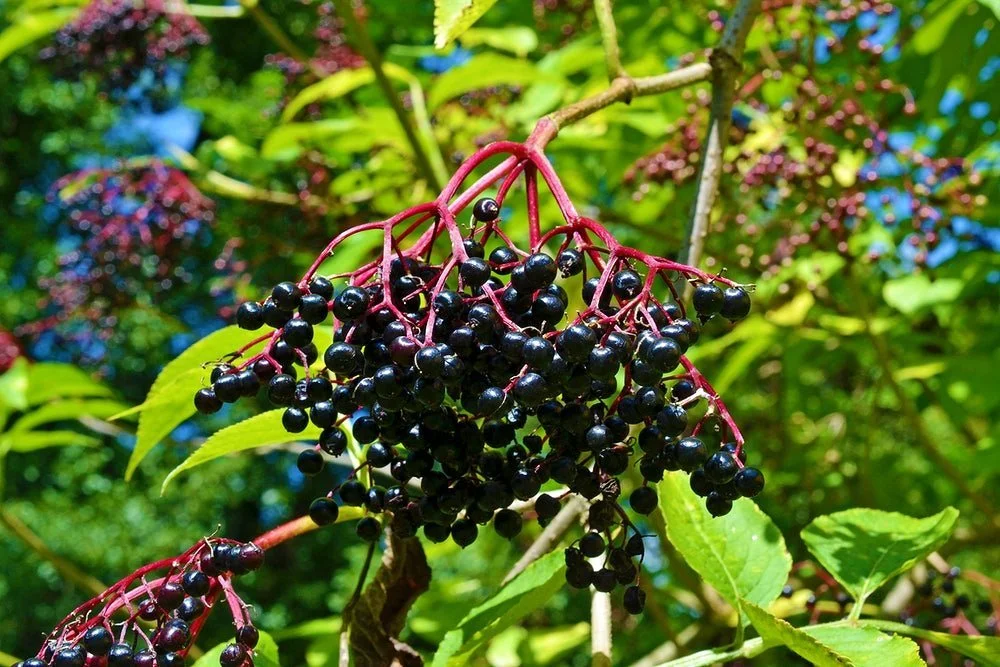
Elderberries: The dark clusters ripen in late summer and must be cooked before eating. Raw elderberries and other raw parts of the plant can make you sick.
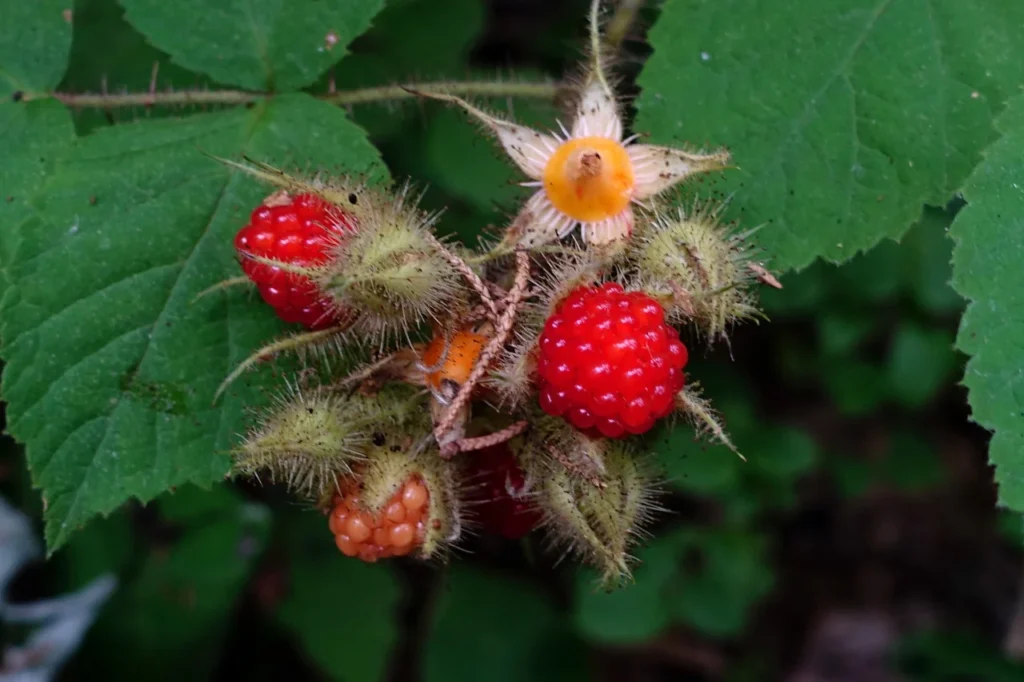
Wineberries: These aren’t native to Lancaster County. Farmers brought them from Japan over a century ago as rootstock for raspberries, and the plant escaped into local hedgerows. Now, it produces bright red, sweet fruit every July.
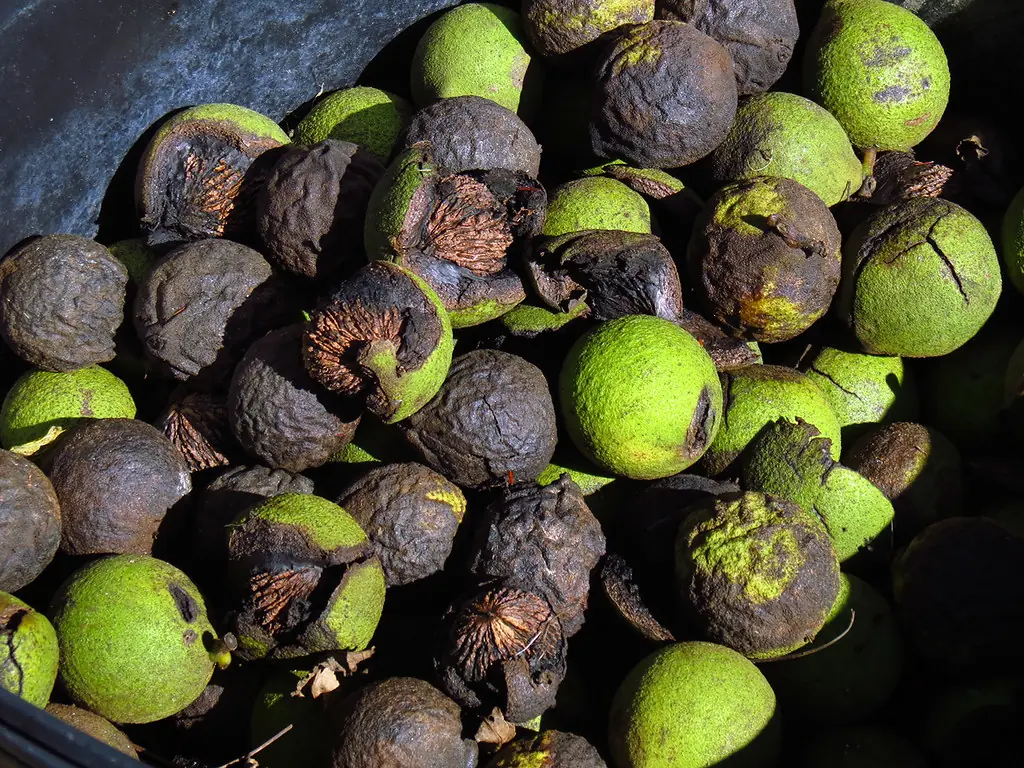
Black walnut: The husks stain hands and driveways a deep brown that can take weeks to fade, so most people leave the nuts where they fall. The meat inside, which you can crack out with a hammer, has a stronger, earthier taste than English walnuts.
Know the Rules Before You Pick
The easiest place to start is your own yard. You can also forage on a neighbor’s farm, but only if you have their permission. Foraging on private land without permission is trespassing.
Public land is a bit more complicated, and Lancaster County parks are stricter than many people think. County park rules say you can’t pick, gather, uproot, or remove “any flower, plant, or grass” without written permission from the director of the Department of General Services. This rule also covers fruit, nuts, and mushrooms. So, if you want to forage in a county park, you need to get approval first.
The Lancaster Conservancy has similar rules at most of its preserves, but there’s one exception. The Falmouth Forest Garden, inside the Conoy Wetlands Nature Preserve along the Susquehanna, was created for foraging. You can park at the Falmouth boat launch and walk about a quarter mile south on the paved Northwest River Trail to get there. The Conservancy planted 20 native food-producing species there, including black walnut, pawpaw, persimmon, serviceberry, and hazelnut, all under native herbs and wildflowers. “While foraging is discouraged on most of the Conservancy’s nature preserves, it is encouraged in the Falmouth Forest Garden,” the Conservancy writes. They also offer foraging walks and talks throughout the year for anyone who wants to learn about the plants before foraging on their own.
State parks and forests, mostly outside Lancaster County but still close by, let foragers gather “reasonable amounts” of wild fruit, nuts, berries, and mushrooms for personal or family use. You can’t sell what you pick, and the rules can vary from park to park, so it’s a good idea to call ahead or check the website before you go. State game lands usually allow mushroom picking too.
History Trivia
On the Thursday before Easter, Pennsylvania Dutch families sent their children into the fields with baskets to cut dandelion greens. They called it Griener Dunnerschdawg, Green Thursday. The rule was that you had to eat something green that day. The greens went into a salad with hot bacon dressing made with vinegar, sugar and beaten eggs. Folk wisdom claimed that if you skipped it, you’d catch the itch or a fever.
There was a reason for the superstition. A family eating pork and sauerkraut since December hadn’t seen a fresh vegetable in four months. The dandelion was the first thing that came up.
Now local markets and health-food stores in this county sell dandelion greens in bunches every March, which would have struck a 19th-century farmer as an odd way to spend money.
Go Further With a Guide
Debbie Naha-Koretzky holds a master’s degree in clinical nutrition from New York University and worked for years as a clinical nutritionist in New York City hospitals. Now, she teaches people about the wild foods growing right outside their doors. Locally, she’s known as the Wild Edibles Lady and leads foraging walks at libraries and nature preserves from Lancaster up into the Susquehanna Valley.
NPR once joined her for a walk through Climbers Run Nature Preserve in Pequea on a cold late-winter day. She returned with chickweed, hairy bittercress, field garlic, and purple dead nettle, plus spicebush twigs for tea. She used the greens to make a pasta dish with olive oil, garlic, red pepper flakes, and Parmesan.
“People are surprised to learn that wild food is everywhere,” she says. Her rule for anyone trying it for the first time: know the plant before it goes in your mouth.
You can find her upcoming walks at wildediblesnjpa.com.