A Guide to Fall Foliage in Lancaster
On Oct. 1, the state’s foresters published a report on foliage across the state. So far there is no change in Lancaster County.
Elsewhere in Pennsylvania the season has begun. Trees in Blair, Cambria and Indiana counties showed yellow and orange, and the state rated those woods as approaching peak. Berks and Lebanon counties, next door, had started to turn. Lancaster, Chester and York stayed green.
The wait may be worth it. A wet summer ended the drought stress on Pennsylvania’s forests, and the people who track these things for a living expect a strong show. It should arrive in the second half of October.
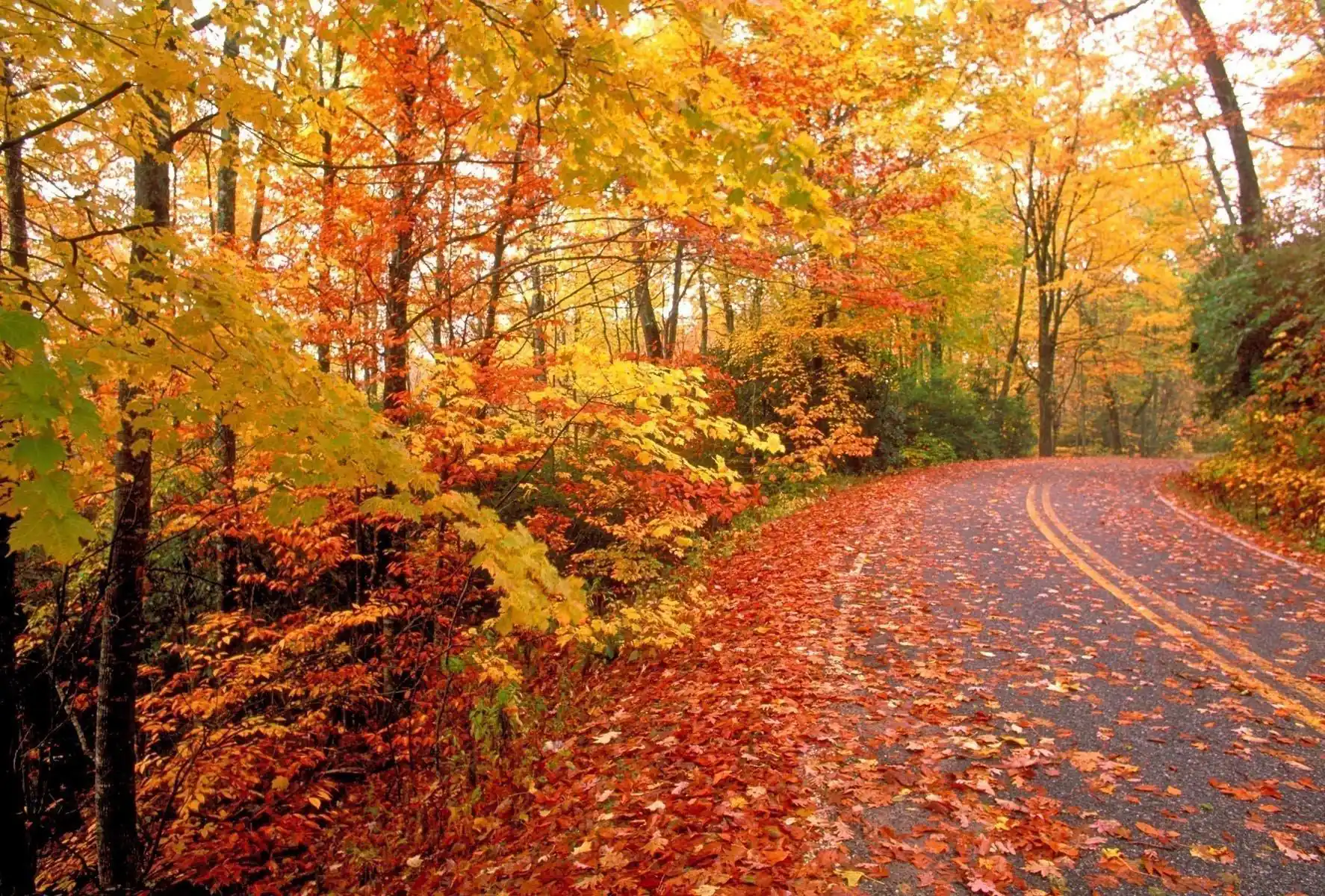
What to Expect in 2026
A good year for foliage starts with rain. August was the ninth-wettest in 132 years of records for Lancaster County, 4.19 inches above normal. The U.S. Drought Monitor map dated Sept. 29 shows no part of the county in drought, or even dry.
The Department of Conservation and Natural Resources said summer and September rain ended the drought stress on the state’s forests. Its first report of the season told readers, “The best colors are still to come!”
Vince Cotrone, a regional urban forester with Penn State Extension, told the public radio station WVIA that the trees are healthy this year and that Pennsylvania had no August drought.
On timing, foresters at William Penn State Forest, the district that covers the southeast, said on Oct. 1 that peak color was a few weeks off. Red maple and birch turn first. Lancaster’s oaks and hickories hold their green longer, which is why the county trails the northern tier by weeks.
The state posts a new report each Thursday. The next one is due Oct. 8.
What Makes the Color
The yellow is in the leaf all summer. You can’t see it because chlorophyll, the green pigment a tree uses to turn sunlight into food, covers it up.
Day length sets the date. As the days shorten, a tree slows down and makes less chlorophyll. The green fades and the yellow and orange pigments, called carotenoids, show through. Day length is the same every year, so the peak week doesn’t move mush, said Julian Maza, a service forester with the state Bureau of Forestry.
Sugar makes the red. Reds and purples come from a second set of pigments, anthocyanins, which a leaf builds from its own sugars. A tree with more sugar in its leaves in October turns a deeper red.
Weather sets the brightness. Good color takes dry, sunny days and cool nights, Mr. Cotrone said. Sun keeps the leaf making sugar. Cool nights keep the sugar from leaving.
Drought ends it early. A tree short on water seals off the stem that joins each leaf to the branch and drops the leaf. That is why this summer’s rain counts for so much.
A storm can end it in a day. Wind and rain at the wrong moment can cut a show of a week and a half down to two days, Mr. Cotrone said. A wet year carries a second risk: leaf fungus, which browns leaves before they turn.
Species decide the palette. Pennsylvania has more than 130 native tree species, and each turns its own color on its own schedule. Red maple goes red. Birch and black walnut go yellow. A hillside with a mix of them does not change all at once.
The Five Best Places to See It
- Hawk Point, Susquehannock State Park. The overlook at 1919 River Road in Holtwood is a 250-yard walk on crushed stone from the parking lot. To the north you see the Norman Wood Bridge, which carries Route 372 over the river. To the south you see Mount Johnson Island, called the world’s first bald eagle sanctuary. A pavilion and restrooms sit by the lot.
- Chickies Rock, between Marietta and Columbia. A 0.9-mile loop climbs about 100 feet to an overlook above the Susquehanna, where both banks turn red and yellow. The dirt trail is wide enough for an all-terrain stroller. There are no restrooms nearby, and cell reception is spotty.
- Turkey Hill Nature Preserve. A 3.5-mile route passes two overlooks above the river. A 2.5-mile return along the Enola Low Grade Trail makes it a loop.
- Texter Mountain, near Denver. At 1,180 feet it is the highest point in Lancaster County. A 2-mile loop climbs it.
- Lancaster County Central Park. The county’s largest public green space covers 544 acres, with more than 13 miles of trails for walking, biking and horseback riding. It is the closest of the five to the city.